Things to Do in Krabi
Limestone dragons guard emerald bays. Pad thai tastes like the Andaman itself.
Top Things to Do in Krabi
Find activities and tours you'll actually want to do. Book through our partners -- no booking fees.


Plan Your Trip
Essential guides for timing and budgeting
Climate Guide
Best times to visit based on weather and events
View guide →Day Trips
The best excursions and nearby destinations worth the journey
Explore day trips →Where to Stay
Best neighbourhoods, hotel picks, and booking tips
Find hotels →Travel Insurance
What's required, what coverage matters, and how to get a quote
Read guide →What to Pack
Climate-specific gear, essentials, and what to leave at home
See packing list →When Should You Visit Krabi?
Tap a month for weather, crowds, and highlights
View full year-round climate guide →
Your Guide to Krabi
About Krabi
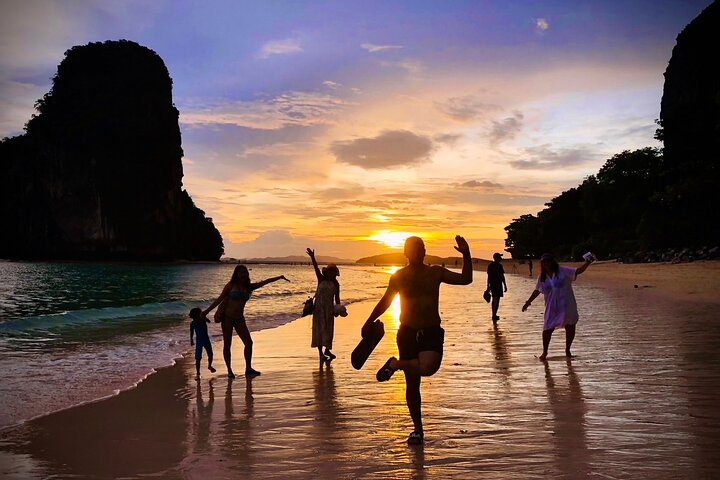
Krabi sucker-punches you with color. The longtail slides past the harbor wall. Suddenly the water flips from muddy brown to glass-clear turquoise striped with pale jade. Impossible limestone towers rise like doodles by a wild child. Rai Leh's shark-fin cliffs and the hunched Phra Nang peninsula erupt straight from the sea.
Ao Nang's main drag reeks of diesel and grilled squid. Budget-friendly street food costs a fraction of resort prices. Behind Vogue Shopping Center the night market sparks at 5 PM. Oyster omelets hiss on cast iron. Ten minutes inland toward Krabi Town, Muslim villages ladle massaman curry thick enough to stand a spoon in.
Surprisingly affordable compared to beachfront joints. High season from November to March packs every beach with selfie sticks. Accommodation prices triple. Come shoulder season instead. April bakes at oven-dry heat. September brings warm monsoon downpours. You will have Haad Phra Nang's powder-white sand almost to yourself.
Macaques will steal your mango if you blink. This is the Thailand that makes first-timers cancel onward flights.
Travel Tips
Transportation: Ignore the airport taxi mafia. Walk past the touts. Catch the white songthaew to Ao Nang for 60 baht ($1.70) instead of their 600 baht quote. Longtail boats to Railay Beach leave Ao Nam Mao pier every 20 minutes. Negotiate before boarding. They quote 200 baht to foreigners, not the standard 100. Grab runs in Krabi Town and Ao Nang. It dies after 10 PM. Download the Krabi Taxi app before landing. Avoid getting stranded after sunset beers on Railay.
Money: ATMs charge 220 baht ($6.25) per withdrawal. Bring cash. Hunt lower-fee machines at Tesco Lotus and Big C. They charge 150 baht. Longtail boats and beach masseuses want cash. Beachfront bars may take cards but add a 3% surcharge. Change money at the family-run exchange opposite Krabi Town's morning market. They beat bank rates by 1-2 baht per dollar. No passport photocopying hassle.
Cultural Respect: Tiger Cave Temple demands covered shoulders and knees. Pack a sarong, not just swimwear. Muslim fishing villages around Ao Nam Mao cook killer roti and curry. Do not roll up shirtless demanding beer. Alcohol is sold discreetly at 7-Eleven. Drink respectfully. When island-hopping, tip the boat captain 50 baht. Not expected. It earns first pick of snorkeling spots and extra time at the secret lagoon.
Food Safety: That curry stall with dented aluminum pots and three plastic tables? Eat there. Seafood joints along Ao Nang Beach Road blast everything with ice and cook to order. Check the tanks. Sluggish prawns? Move on. Street mango sticky rice wrapped in banana leaf beats resort buffet sushi. Vendors turn over product every hour. Pro tip: the Muslim roti cart outside 7-Eleven on Soi 8 serves roti canai and beef curry until 2 AM for 40 baht ($1.15). Good for post-bar hunger.
When to Visit
November through March is the postcard version. Blue skies. 28°C (82°F) water. Zero rain. Hotel prices triple. You queue 30 minutes for longtail boats. April hits 35°C (95°F) with 85% humidity. Rates drop 50%. The Andaman stays glass-flat for diving. May to October is monsoon season. Sudden afternoon downpours dump 200mm in hours.
Rough seas cancel island tours. Beach bungalows drop to 800 baht ($23) instead of 2,500 baht. Late October is the secret month. Rain eases to afternoon showers. Crowds have not arrived. Negotiate boat trips at shoulder-season rates of 1,200 baht ($34) instead of 2,000 baht. Avoid Chinese New Year in late January/early February.
Prices triple. Railay Beach becomes a human anthill. Vegetarian Festival in late September/early October turns Krabi Town into a nine-day street food great destination. Temple parades. Fire-walking ceremonies. Worth braving rain for 20 baht ($0.57) plates that normally cost 60 baht.
More Ways to Experience Krabi
Tours, day trips, and local experiences curated by on-the-ground operators.
Didn't see anything interesting yet?
Browse Viator's full catalog of tours, day trips, food experiences, and private guides in Krabi.
See All Krabi Tours on Viator